




Join our newsletter to receive meaningful updates, expert insights, and resources tailored to your interests. We promise to keep our communication valuable - never overwhelming.
eSIM is (Finally) Going Mainstream
Around: 3 min. read
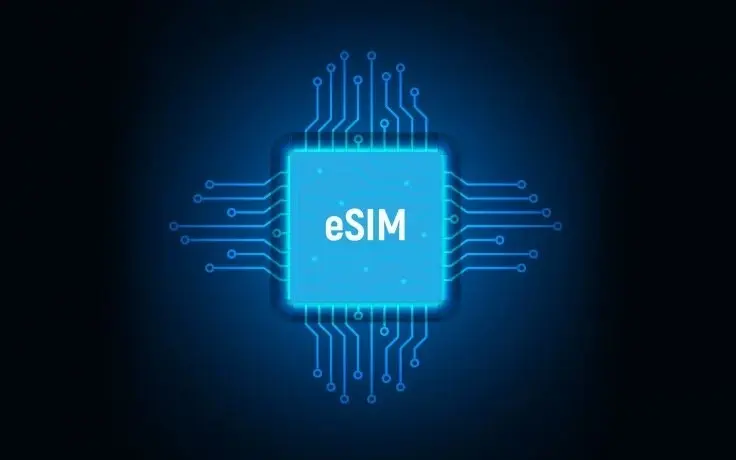
Embedded SIM technology will gain momentum in 2024. The eSIM standard has been around for several years but still hasn’t been adopted by many national operators. Why is that? And why should it change now?
Why the eSIM standard hasn’t been implemented on a large scale
The onboarding process for eSIM technology isn’t often as smooth as in the case of traditional SIMs. It has been even more complicated because many telecoms haven’t yet set up all the additional processes required to properly handle post-sales customer cases, such as changing devices or porting with eSIM. In other words, the implementation has yet to catch up with the technology.
But, as the market for traditional SIMs is shrinking, we expect that CSPs will continue to work to improve the embedded SIM experience, prepare for all incoming IoT eSIM-based UC, and finally adopt the technology to the extent that everyone can choose freely between an embedded SIM and a traditional SIM card.
Niche players will join the conversation regarding eSIM standards
In 2021, we also expect a broader popularization of niche players’ services based solely on eSIM technology. They’re willing to take on traditional roaming services, and that market is growing. So far, few tier-1 global telecoms have taken the opportunity, most likely because of their preference to maintain the status quo and continue with long-established roaming business models.
However, the change, as often happens, will most likely be driven by customers, especially the younger ones. Thanks to easy onboarding and a lack of technical barriers (eSIM being widely supported by the latest iPhones and numerous mid-range Android-based phones), customers will be keen to make savings and to trust niche players who offer their services at far lower rates. Even though their offers won’t be as competitive compared to local CSPs’ services, they will most likely be a few times cheaper than roaming for voice services and even a hundred times cheaper for data services.
The choice is simple: move toward eSIM cards or get left behind
What is the future of eSIM? In the always-connected era, it’s which side you’re on that matters: either you stay with the old SIM standard and disable all data-based services (because even roaming data bundles tend to be expensive), or you switch to eSIM-enabled services and pay a more reasonable price to a niche player offering data bundles and voice services. Hoping that we’ll be able to travel freely sooner rather than later, we predict that reasonably priced services delivered with the support of intuitive apps and embedded SIM technologies with a very simple onboarding process, clear cost control, and the possibility to modify or cancel subscriptions at any time will be among the fastest-growing telco trends in near trends.

7 min. read
Space ODA: Integrating SatCom into the Terrestrial 5G/6G Ecosystem
6 min. read
Going Hybrid and Zero-Trust: Uniting the Sector at Critical Communications World 2026
4 min. read
Building the Foundation for AI-Native Networks: How Telecom Operators Can Prepare for 6G?
7 min. read
Going Techco: AI-Native Architecture, Digital Twins, and the End of the Monolith Era at DTW Ignite 2026
8 min. read
The EU AI Act: A Practical Guide to Compliance for Business and Technology Leaders
5 min. read
Insights from Comarch Communications’ First IoT Connectivity Forum: AI, Massive SIM Rollouts, and New GSMA Standards
9 min. read
Comarch User Group 2026: Together Towards The AI-Driven Future of ConnectivitySign up for more insightful content